

What is NMOSD?
Neuromyelitis Optica Spectrum Disorder (NMOSD) also known as Devic’s disease is a rare, demyelinating, autoimmune disease. This means the immune system, which normally protects the body, mistakenly attacks healthy parts of the central nervous system. The immune response causes swelling, known as inflammation, and leads to damage of nerve cells.
Inflammation in the central nervous system (CNS):
In NMOSD, inflammation can affect different areas of the central nervous system, leading to a range of symptoms depending on the location involved
- Optic neuritis- Inflammation of the optic nerve that may cause changes in vision, blurred or dim vision, eye pain, or partial vision loss. With prompt treatment, vision may improve.
- Myelitis (including transverse myelitis) – Inflammation of the spinal cord that can affect movement and sensation, leading to weakness, numbness, tingling, or difficulty walking, as well as possible bladder or bowel changes.
- Area postrema syndrome – Inflammation in a part of the brainstem that can cause persistent nausea, vomiting, hiccups, dizziness, or balance difficulties.
What Causes NMOSD?
Many people with NMOSD have a specific antibody called AQP4-IgG, which targets cells in the nervous system. Others do not have this antibody but still experience symptoms and disease patterns consistent with NMOSD.
Researchers do not yet know why the immune system becomes confused, but scientific understanding and treatment options continue to grow.
Common Symptoms
Optic Nerve Symptoms
- Eye pain
- Blurry or dim vision
- Vision loss in one or both eyes
Brainstem Symptoms
- Persistent nausea or vomiting
- Hiccups that won’t stop
Spinal Cord Symptoms
- Weakness in the arms or legs
- Numbness or tingling
- Difficulty walking
- Bladder or Bowel changes
- Muscle stiffness or spasms
Invisible Symptoms
Some symptoms are not visible to others but can deeply affect daily life.
- Severe fatigue
- Brain fog or slowed thinking
- Lingering nerve pain
- Sensory changes
- Changes in sexual function
- Emotional or cognitive exhaustion
How is NMOSD Different from MS
NMOSD has often been mistaken for multiple sclerosis (MS), but they are different conditions.
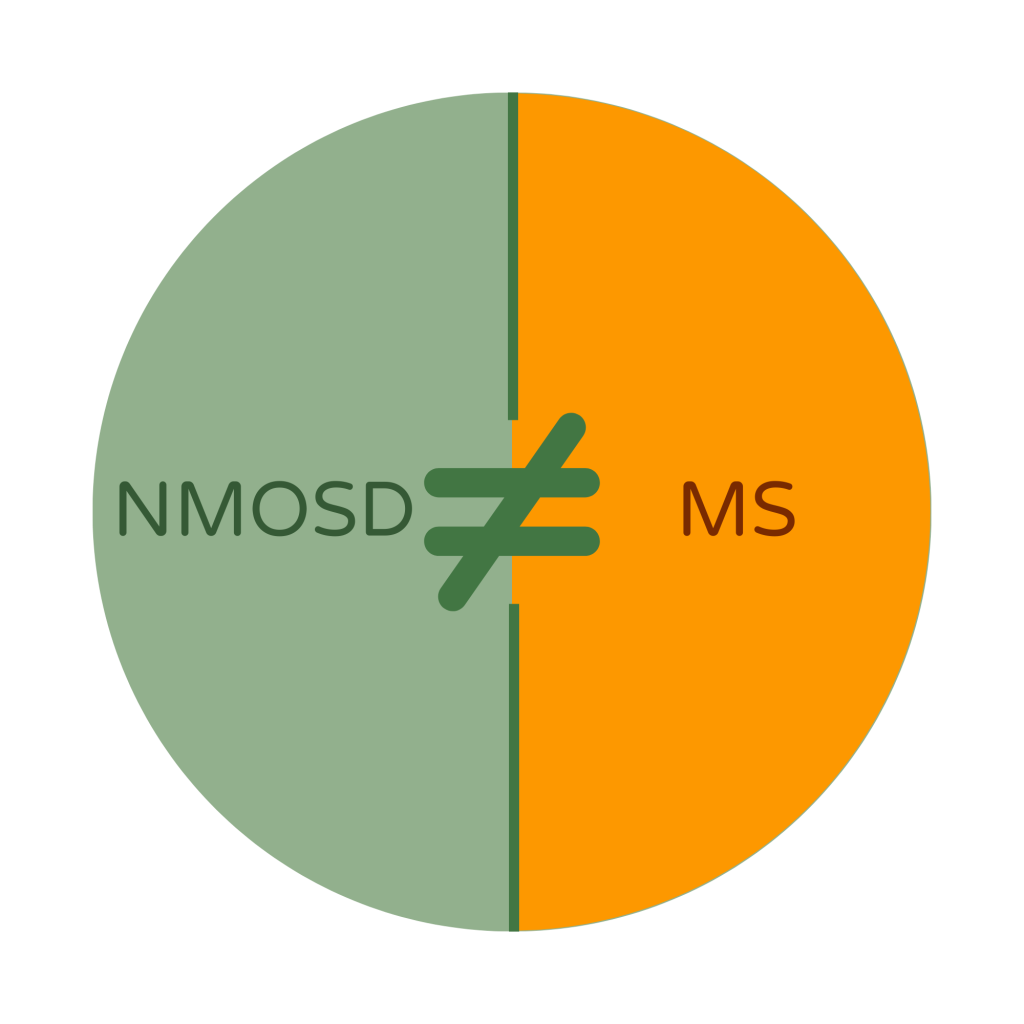
Key differences include:
- NMOSD attacks (relapses) are often more severe
- NMOSD affects different immune targets
- Some MS treatments can worsen NMOSD
Accurate diagnosis is essential for safety and treatment decisions
How is NMOSD Diagnosed?
Diagnosis can take time, and it is normal to feel overwhelmed during this process. Asking questions is always okay.
Diagnosis may involve:
- A patient’s history of symptoms
- Blood tests (including AQP4 antibodies)
- Imaging by MRI of the brain, orbits, and areas of the spine
- Physical, neurological and ophthalmological examinations
- Sometimes spinal fluid testing, known as a lumbar puncture


Treatment: Acute and Preventative
Treatment for NMOSD generally falls into two categories, each with a different purpose. Because each NMOSD relapse can cause cumulative damage, many people use both acute treatment (when needed) and preventive treatment (ongoing) as part of their overall care plan. Treatment decisions are made in partnership with your healthcare provider and are tailored to each individual.
Acute treatment is used during an active relapse. The goal is to quickly reduce inflammation in the nervous system and limit further injury to the optic nerves, spinal cord, or brain.
These treatments may include:
- Intravenous Steroids
- Plasma exchange (PLEX)
- Intravenous immunoglobulin (IVIG)
Preventive treatment, also called maintenance therapy, is used long-term to prevent or reduce severity of relapses. The goal is to reduce the risk of future attacks by calming or modifying the immune system.
Preventive treatment does not heal existing nerve damage or treat active relapses. Instead, it focuses on preventing new inflammation and injury.
Understanding NMOSD Relapses
Neuromyelitis Optica Spectrum Disorder (NMOSD) is a relapsing autoimmune disease. A relapsing disease refers to a medical condition characterized by recurrences of symptoms after periods of improvement. This means the disease can include flare-ups or exacerbations followed by periods of remission, where symptoms may lessen or disappear entirely.
A relapse occurs when the immune system becomes active again and causes new inflammation in the central nervous system.
Relapses are not your fault. NMOSD is unpredictable, even with the best care. Knowing what to watch for and acting quickly is an important form of self-advocacy.
Relapses are medical emergencies because inflammation during an attack can cause lasting damage to the optic nerves, spinal cord, or brain if treatment is delayed.
Each relapse carries the risk of permanent neurological damage, which is why early recognition and rapid medical care are essential.
Patient Health Alliance emphasizes education and understanding because timely treatment can significantly influence recovery and long-term outcomes for people living with NMOSD.
What Can Trigger a Relapse?
Relapses can occur unexpectedly, but many are preceded by identifiable factors, including:
- Infections (such as urinary tract infections, respiratory infections, or viral illness)
- Sudden interruption of immune-suppressing medications
- Significant physical or emotional stress
Being aware of these factors can help patients and caregivers act quickly.
When symptoms are new, worsening, or progressing, experts recommend prompt medical evaluation.
Finding your way forward
Visit our next page, Finding Your Way Forward, to explore support, community, and programs for patients, caregivers, and families.