

Finding Your Way Forward
A compassionate guide for navigating life with NMOSD or MOGAD

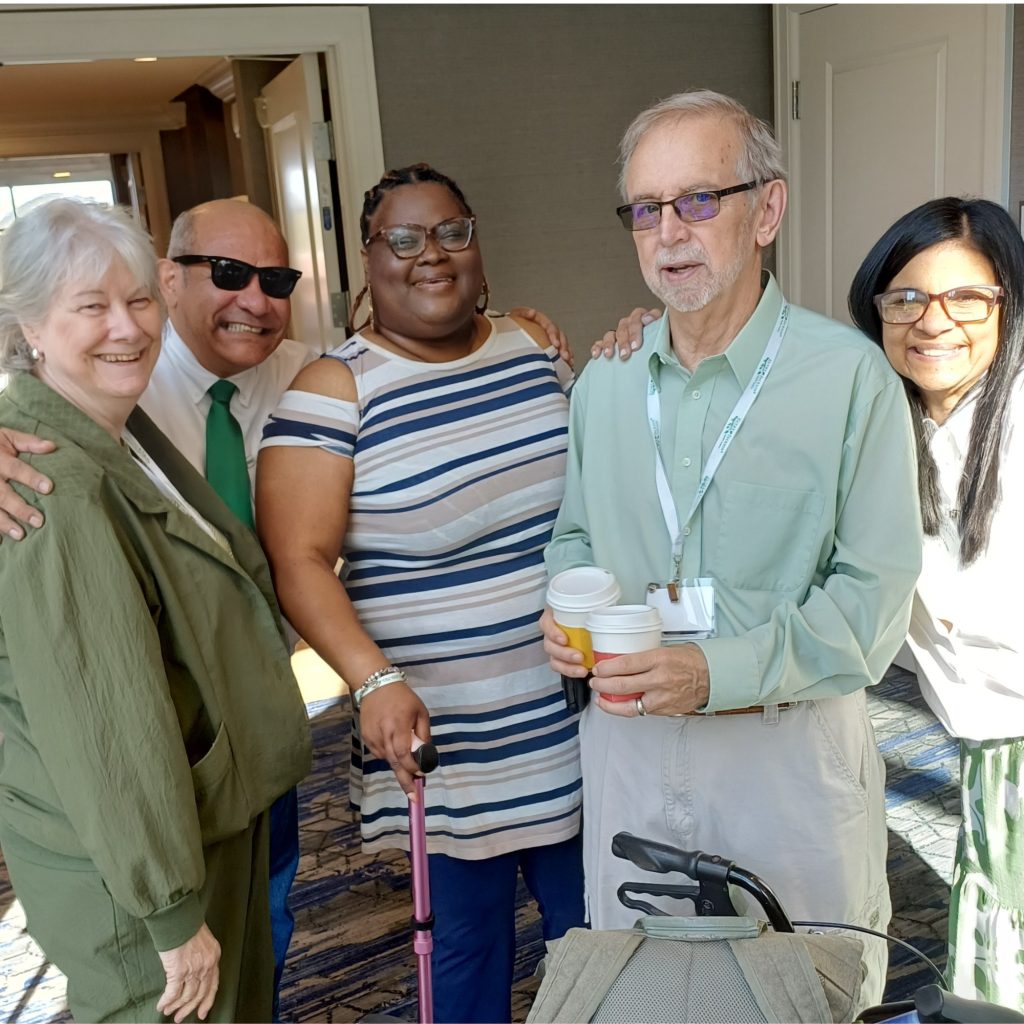


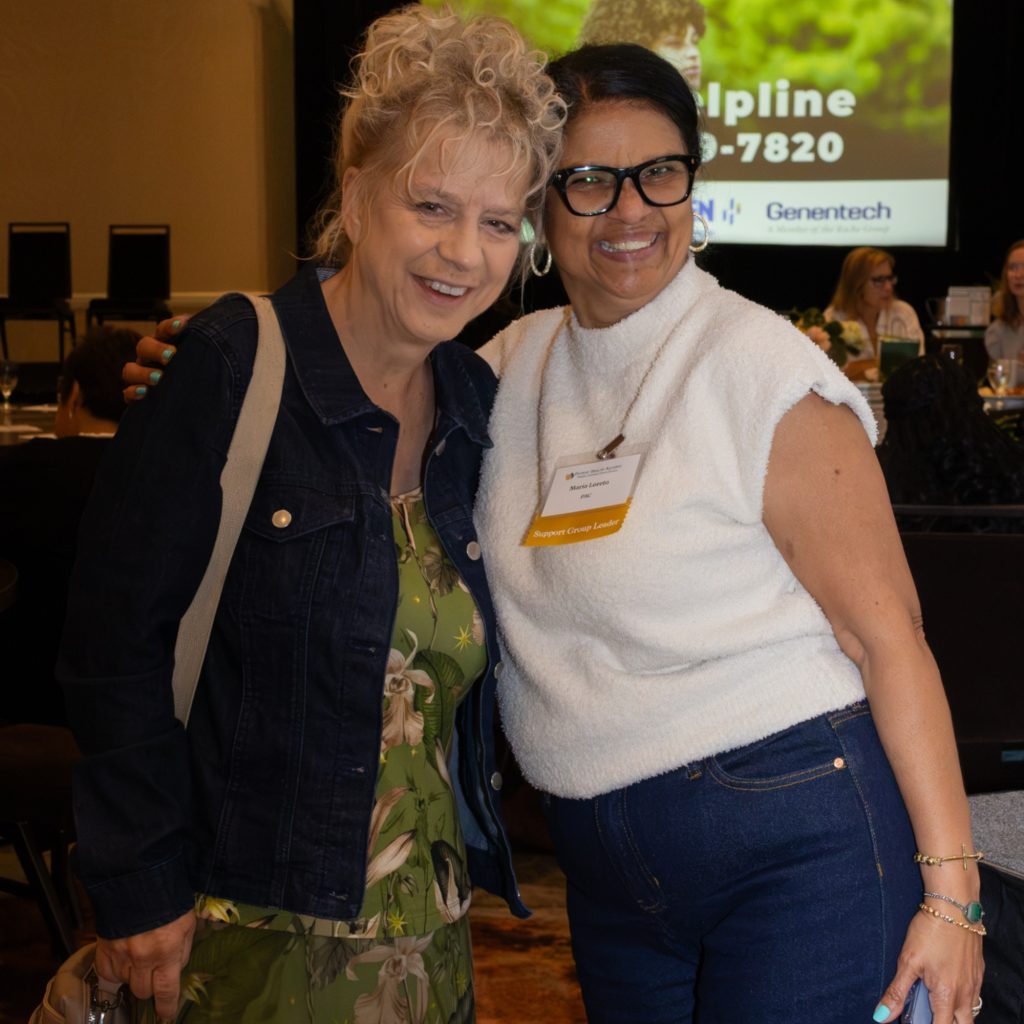
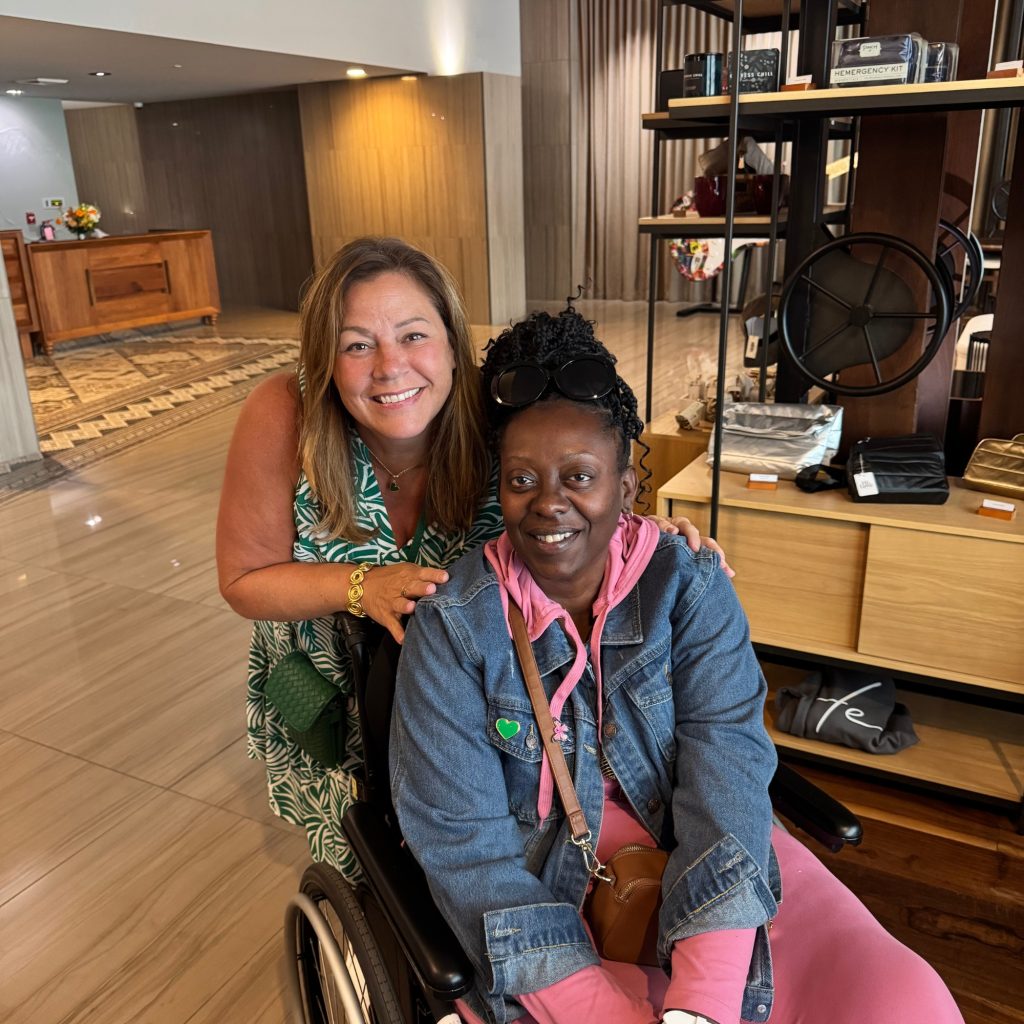
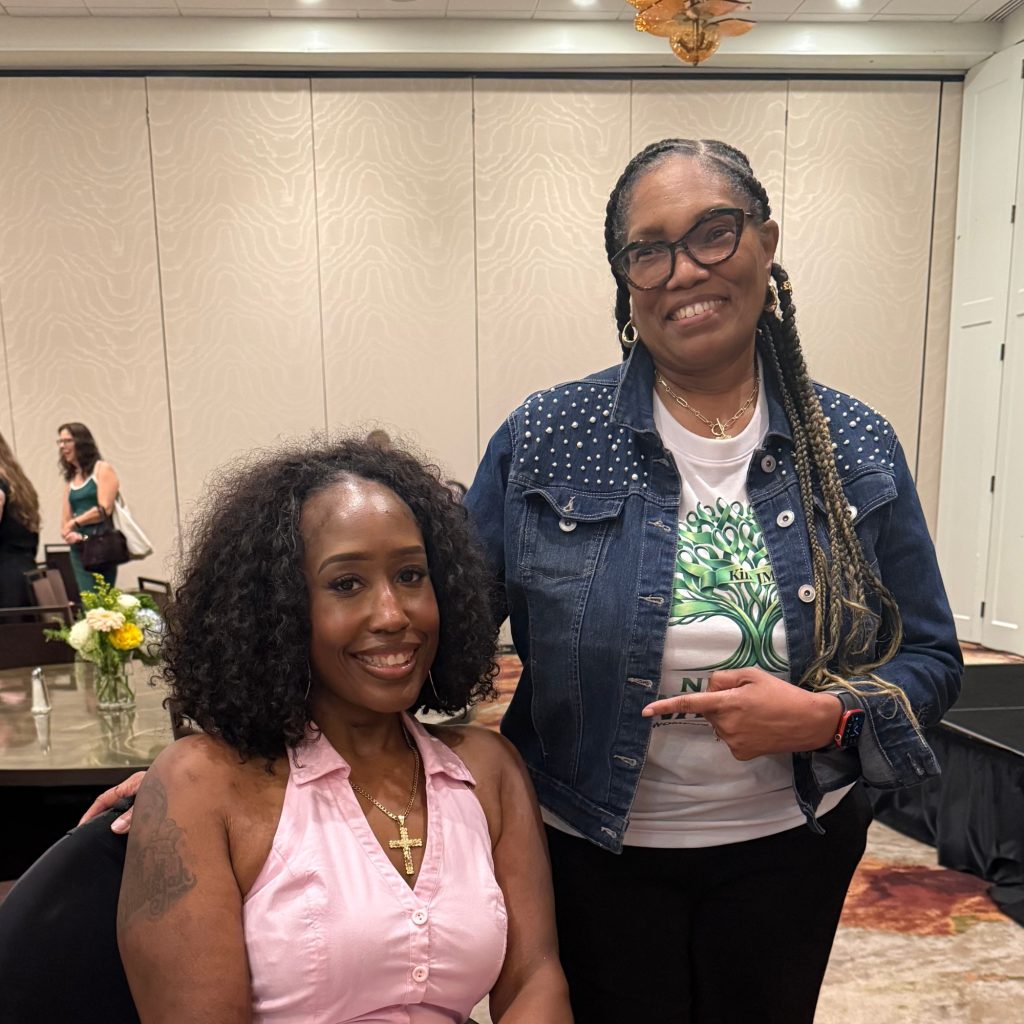


Welcome to the NMOSD Community.
Living with NMOSD can bring many questions, emotions, and decisions, especially when everything feels new or uncertain. Finding Your Way Forward offers trusted information, supportive resources, and meaningful connection to help you navigate life with NMOSD at your own pace.
Whether you are newly diagnosed, supporting a loved one, or seeking community, this space is designed to meet you where you are and walk beside you as you move forward.
Before You Continue: Three Things to Know
The NMOSD landscape has changed.
If earlier internet searches left you feeling frightened or overwhelmed, it is important to know that much of what is online is outdated. Over the past several years, awareness, research, and treatment options for NMOSD have advanced rapidly. There are now four FDA-approved therapeutics to treat AQP4+ NMOSD.
This is not your fault.
NMOSD is an autoimmune condition. Feelings of guilt or self‑blame are common, especially in the early days, but they are not supported by medical evidence. You did not cause this to happen to yourself or your loved one.
Give Yourself Time to Process
You don’t need to understand everything at once. Revisiting information over time is part of the process. Patient Health Alliance is here to meet you where you are.
The following information reflects the shared wisdom of patients, caregivers, clinicians, and families. Explore it at your own pace.
Making Space for a New Diagnosis
Receiving an NMOSD diagnosis can feel overwhelming. Medical decisions may begin quickly, while emotional understanding often takes time. Many people describe this phase as a mix of shock, grief, relief, confusion, and uncertainty. There is no right or wrong way to feel.
Caregivers, siblings, teens, partners, and loved ones often experience their own adjustment and grief. Everyone in the family deserves care and support.
What others have found helpful:
Communicate openly with your healthcare team about physical, emotional, and social health concerns
Connect with others who understand the NMOSD journey
Give yourself permission to grieve
Ask trusted people to help with tasks, decisions, or appointments.
PHA Resources
Building Your Healthcare Support System

Rare disease care often involves multiple specialists. Building a coordinated care team can reduce stress, improve communication, and help you feel more supported and confident. Asking for a second opinion
Seeking a Second Opinion
Seeking a second opinion is a positive and proactive step, not a sign of doubt. NMOSD is rare, and not all providers have experience with treating it. Seeking another perspective can offer added reassurance and confidence as you move forward with your care.
Your Core Medical Team May Include:
- Neurologist or neuroimmunologist to manage your NMOSD treatment
- Primary Care Physician (PCP) to manage general health, infections, vaccines
- Ophthalmologist or neuro-ophthalmologist
- Rheumatologist or immunologist
- Pain Management Specialist
- Gastroenterologist to manage bowel or GI symptoms
- Urologist to manage bladder symptoms
Your Rehabilitation & Support Team May Include:
- Physical therapist
- Occupational therapist
- Social worker
- Mental health professional
- Pelvic floor therapist
- Patient Advocacy Groups
Supportive strategies to consider:
- When possible, use one health system for ease of communication among your healthcare team
- Choose one clinician, often your neurologist or PCP, to help oversee the big picture
- Request an emergency protocol be added to your visit summary
- Keep a symptom journal or notebook and bring this to your appointments
- Prepare questions in advance in your notebook
- Keep a medication list, treatment schedule, and important phone numbers.
PHA Resources
MedicAlertID Program (coming soon)
Financial and Practical Resources
Living with NMOSD can bring new financial, mobility, and accessibility needs. Support exists to help you navigate these challenges.
Financial & Disability Support




Caregiver Resources
Mobility & Accessibility
PHA Programs That Support Daily Life
NMOSD Helpline
Resources, support, direction to find what you need
NMOSD & MOGAD Support Groups
Virtual and hybrid meetings for patients, caregivers, and families
Adapt-Ability Video Series
Practical tips for mobility, accessibility, and independence
MedicAlert ID Program
For NMOSD patients
Artistry iNMOtion: Art & Wellness Workshops
Creative wellness workshops
Rare Disease Preparedness

Being prepared can help you feel more confident and in control as you navigate life with a rare disease. Keeping important medical information organized, planning for unexpected health changes, and making sure your care team and loved ones are informed can make a meaningful difference. Small steps in preparation can ease stress and support better care when it matters most.
Medical Information
- A current list of medications and doses
- Diagnosis details and key medical history
- Names and contact information for your specialists
- Copies of important medical records
- Insurance information
- Healthcare POA, Living Will, Advanced Directives
ER and Relapse Plan
- Work with your neurologist to create a plan for what to do if symptoms suddenly worsen or a relapse is suspected
- Emergency contact list
- A summary of your condition for ER providers
Keep a Symptom Journal to Track
- New or changing symptoms
- Fatigue levels
- Pain patterns
- Triggers (heat, stress, infections)
- Questions for your doctor
Travel Preparedness
Some symptoms are not visible to others but can deeply affect daily life.
- Make note of nearest hospitals to your destination
- Pack medications in carry-on bags, not checked bags
- Preplan mobility assistance to conserve energy
Prepare for Complex or Difficult Conversations
Some symptoms are not visible to others but can deeply affect daily life.
- Your healthcare team
- Your employer or school (IEP, 504, ADA accommodations)
- Family members
- Friends who may not understand invisible symptoms
- Disclosure of your diagnosis in new relationships
PHA Resources
Forward to part two
Continue reading part two of Finding Your Way Forward to explore support, community, and programs for patients, caregivers, and families.